Ergonomic Bedroom Layouts: A Practical Guide to Safe and Comfortable Sleep Spaces
A Vogue-inspired exploration of how to design bedrooms that cradle the spine, honor mobility, and welcome adjustable furniture with a quiet, sophisticated cadence. Learn to craft zones for sleeping, dressing, and relaxing with thoughtful layouts, reachable storage, and adaptive fixtures that elevate safety without sacrificing style.
Introduction: The Bed as a Centerpiece of Ergonomics
In a world that celebrates both wellness and design, the bedroom emerges as a sanctuary where posture and aesthetics intertwine. Ergonomics is not a clinical afterthought but a living language—one that translates into layouts, reachable treasures, and adjustable fixtures that adapt to bodies, routines, and lighting moods. The goal is neutral spine alignment, effortless reach zones, and a space that supports daily activities—from slipping into sleep to choosing an outfit without contortion.
Visualize a room where every item has a purpose and every movement is guided by a predictable, graceful rhythm. That rhythm begins with a simple grid and a zone-based design that respects sleep, dressing, and relaxation as distinct, harmonious spheres. The result is a space that looks effortless, yet is intelligently engineered for safety, longevity, and comfort.
Zone-Based Design: A Simple Grid for Sleep, Dress, and Relaxation
The foundation of ergonomic bedroom design rests on zone planning. Think of the room as divided into three primary bands:
Sleep Zone: The bed anchors this zone. Position it away from direct drafts, with clear pathways on at least two sides. Allow enough space for bed articulation if using adjustable foundations.
Dressing/Storage Zone: Closets, dressers, and changing surfaces placed within a comfortable reach radius, ideally within 120–180 cm from the bed without requiring a step or awkward twist.
Relaxation/Work Zone: A small seating area or desk that promotes posture-friendly seating, ergonomic lighting, and screen placement if used for daytime activities.
The grid method is not about strict symmetry but about predictable reach and safe circulation. Use the room’s natural lines—windows, doorways, and built-in features—to inform where to place anchor pieces like a bed or a seating nook. For small spaces, dual-purpose surfaces—beds with integrated storage, or a dresser that doubles as a vanity—maximize both ergonomics and efficiency.
Selecting Adjustable Furniture: Supporting Different Bodies and Mobility Needs
Adjustable furniture is a quiet revolution for comfort, health, and independence. The core idea is customization: a bed base that adapts to your preferred sleeping angle, seating that supports upright posture for work or reading, and storage that remains accessible as your range of motion evolves.
When evaluating adjustable bases or platforms, consider:
Range of Motion: How high and how low can the head and foot elevations go? Are there presets for ease of use?
Weight Capacity: Ensure the base accommodates your body weight plus bedding loads, with room for a partner if sharing the bed.
Compatibility: Do bed frames, headboards, and footboards accommodate your chosen mattress and head/foot articulations?
Proportions: The footprint should align with your space and traffic flow—avoiding pinch points near doors or windows.
Adjustable furnishings aren’t merely functional; they set the emotional tone of the room. They invite you to imagine a space that grows with you—whether you’re optimizing ergonomic support for desk work, easing mobility needs for aging relatives, or simply seeking an arena for restful, dignified sleep.
Safety First: Quick Checks and Careful Steps for Seniors and Caregivers
A thoughtful ergonomic bedroom also doubles as a safety zone. Here are practical checks that cause less stress and more confidence:
Clear Pathways: Maintain a minimum 80 cm clear path around the bed and a direct line to the door and bathroom.
Non-Slip Surfaces: Use rugs with non-slip grippers or choose hard flooring with underlays to prevent slips during transitions in bed or while dressing.
Accessible Lighting: Integrate layered lighting—soft ambient, task lighting near the dresser, and a bedside path light for nighttime movements.
Stable Surfaces: Ensure nightstands and dressers have rounded edges or padding to reduce injury risks if bumped in the dark.
Bed Accessibility: Consider a bed with a higher clearance or a low-profile option that can be adjusted to comfortable sitting heights, enabling easier transfers from sitting to standing.
In many homes, caregivers play a pivotal role. A well-planned layout reduces the risk of strain and helps caregivers support daily routines without compromising the resident’s autonomy. This is where design, health, and empathy intertwine—creating spaces that honor independence while ensuring safety.
Case Studies: A Look at Real-World Applications
Across eras and styles, designers have crafted ergonomic bedrooms that balance beauty and practicality. Here are three pivotal perspectives from distinct periods that illuminate how the field has evolved.
1) Early 20th Century: The Birth of Functionalism in Domestic Interiors
This era emphasized clean lines, rational layouts, and furniture that served a defined function. Bedrooms began to prioritize efficient circulation and straightforward access to wardrobes, desks, and beds. The philosophy was to strip away excessive ornamentation in favor of purposeful geometry and material honesty.
2) Mid-Century Modern: Form Follows Ergonomic Function
Designers of the mid-century period embraced organic silhouettes and modular solutions that allowed flexible room configurations. Adjustable elements emerged in the form of modular storage and ergonomic seating that supported long reading sessions and daytime productivity without sacrificing a calm, elegant aesthetic.
3) Contemporary Era: Universal Design Meets Personal Style
Today’s design language fuses universal design principles with couture sensibility. Adjustable bases, accessible storage, and intelligent lighting systems blend discreetly into sophisticated environments. The goal is inclusivity, comfort, and longevity—so bedrooms remain hospitable corners of the home for years to come.
Highlight: A Curated Selection of Adjustable, Ergonomic Pieces
The following pieces from Vermont-based artisans demonstrate how design can be both heirloom-worthy and eminently practical. Each selection embodies the calm luxury of handmade furniture, designed for longevity and tailored to the modern, ergonomic bedroom.
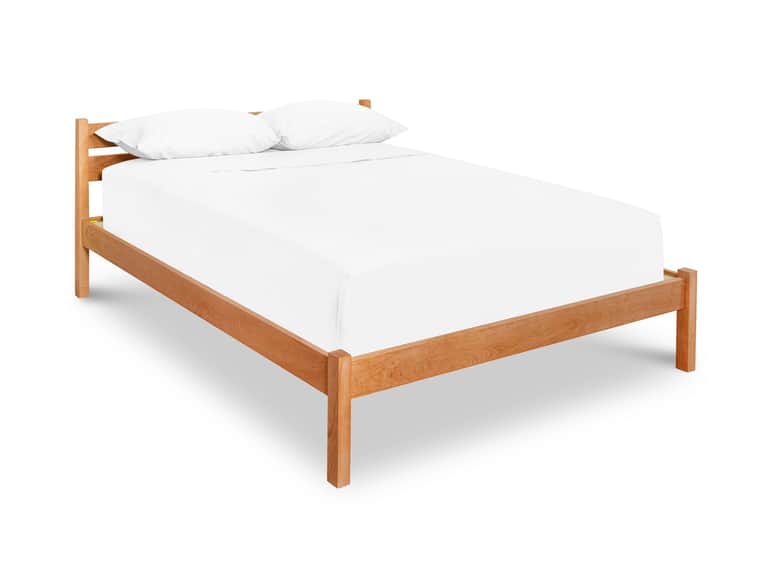
Vergennes Platform Bed
Solid wood platform, handcrafted in Vermont
Authentic, hand-rubbed oil finish enhances the grain while delivering enduring stability. Available in Cherry, Maple, or Walnut.
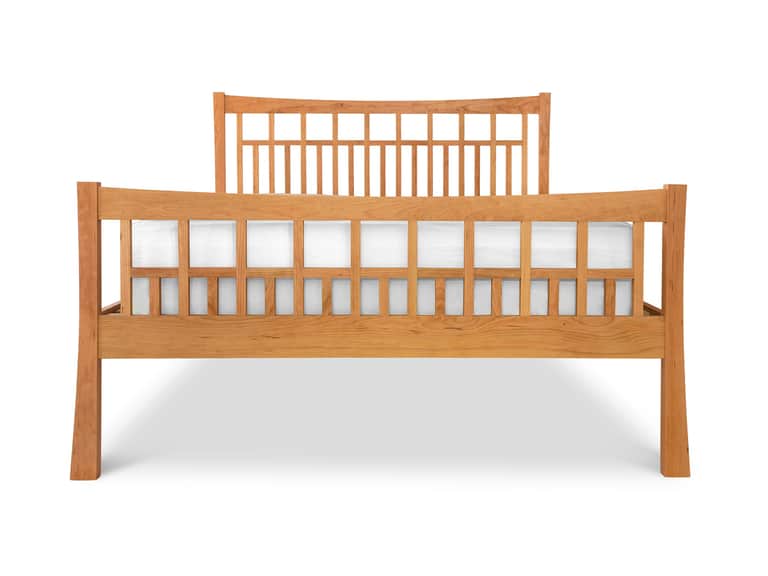
Contemporary Craftsman High Footboard Bed
Solid wood bed with eco-friendly finish
A refined centerpiece with traditional detailing, designed for longevity and timeless appeal.
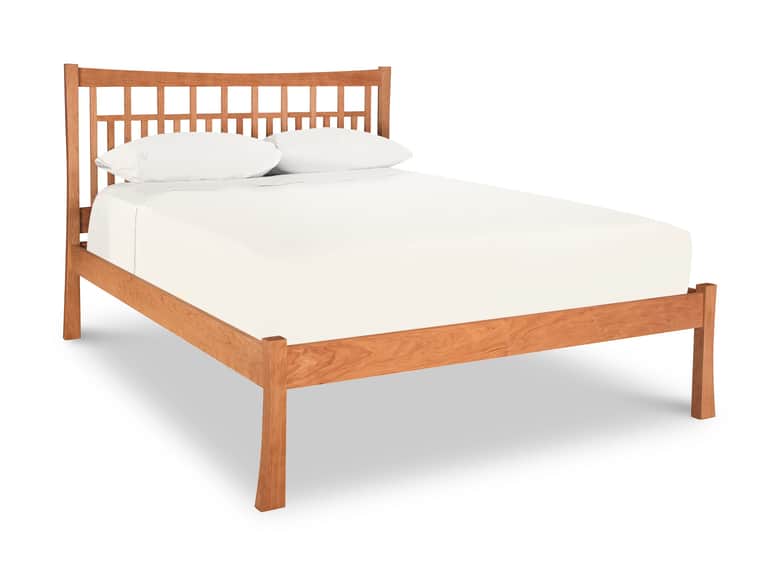
Contemporary Craftsman Low Footboard Bed
Platform bed with clean lines
Engineered for durability with a modern silhouette that pairs beautifully with adjustable bases.
Each piece demonstrates how sturdy construction and thoughtful finish can coexist with ergonomic goals. When paired with adjustable foundations and properly chosen bedding, these beds help create an environment where posture, safety, and elegance are not mutually exclusive.
Practical Tips for a Functional, Stylish Bedroom
Start with a clear sleep zone: ensure your bed has at least two accessible sides and a stable headboard if you use a reading light or a TV monitor.
Prioritize reach zones: place daily essentials (alarm, medications, glasses) within a comfortable 40–60 cm reach from the bed’s edge.
Integrate lighting that works at multiple levels: a dimmable ceiling light, a warm bedside lamp, and a movement-activated path light for night visits.
Use adjustable features to support posture: elevate the head to reduce neck strain when reading or watching something before sleep; lower the legs to promote circulation after standing up.
Balance aesthetics with accessibility: choose furniture heights that minimize bending and twisting, but retain a refined, magazine-worthy silhouette.
Glossary of Ergonomic Bedroom Essentials
Ergonomics
The science of designing the workplace and living spaces to fit the user’s capabilities, reducing strain and injury.
Reach Zone
The distance within which a person can reach items without bending or twisting awkwardly.
Neutral Spine
A natural alignment of the spine with minimal curvature and balanced muscle engagement.
Adjustable Bed Base
A bed foundation that can raise or lower the head and/or feet to optimize comfort and circulation.
Conclusion: Designing a Bedroom as a Lifelong Partner
A well-planned ergonomic bedroom is not a destination but a dynamic partner in daily living. It evolves with you, supports your routines, and remains an expression of refined taste. By combining strategic Layouts, reachable storage, and adaptable furnishings—plus a curated selection of artisanal pieces like the Vergennes Platform Bed or Contemporary Craftsman varieties—you can cultivate a space that is as comfortable as it is captivating.
The Vogue of ergonomic sleep spaces is one of confidence, clarity, and quiet luxury. It invites you to indulge in a bedroom that feels both indulgent and responsible—where design meets health, and every gesture is a step toward better well-being.
If you’d like, I can draft a starter content plan with 8–12 article ideas tailored to Direction A and a sample site map for a future expandable resource.
Handcrafted in Vermont from solid, eco-friendly hardwoods, this platform bed offers a natural, durable finish that enhances grain and longevity, a low-profile, clean silhouette, and enduring comfort for generations of peaceful nights.
Handcrafted in Vermont from solid Cherry, Maple, or Walnut, this lasting bed brings natural beauty and durability to your room, with an eco-friendly oil finish that protects and enhances grain for a warm, timeless feel.
Handcrafted to order in Vermont from solid Cherry, Maple, or Walnut, this low footboard bed blends timeless beauty with durable, real wood. Eco-friendly oil finish shines its natural grain, while sturdy construction promises generations of restful nights.