Pillow guide · Sleep posture
Choosing Pillow Loft for Better Neck Alignment
A pillow should meet your head where your body needs support—not ask your neck to adapt to it. The right loft depends on sleep position, shoulder width, mattress feel, and how the pillow behaves through the night. Here’s how to assess the height and support that feel most natural.
Published November 10, 2026
Why pillow loft deserves a closer look
Pillow loft is the pillow’s height, either as it sits on the bed or, more usefully, when it is compressed beneath your head. It may sound like a small detail, but a few inches of difference can change the angle at which your head rests. A pillow that is too high may tip the head upward; one that is too low may allow it to sink toward the mattress. Either can leave the neck feeling strained or out of place.
The goal is not a rigidly straight posture or a single ideal measurement. Bodies differ, mattresses compress differently, and people move during sleep. A more practical aim is a comfortable, relatively neutral position: the head supported in line with the rest of the spine, without a persistent bend, twist, or sense of pressure.
That makes pillow selection a personal fit exercise rather than a contest between “high” and “low” designs. Sleep position offers a useful starting point, but shoulder width, body proportions, mattress firmness, pillow fill, and your preferred sleeping habits all shape the result. The most refined choice is the one that supports your usual posture comfortably—not merely the pillow that looks plushest on the bed.
Start with the position you wake up in
Many people begin the night in one position and wake in another. Rather than trying to control every movement, think about the position in which you spend the greatest share of the night, or the posture in which you most often settle to sleep. Then use that as your first fitting reference.
Side sleeping: fill the space without forcing the angle
When you lie on your side, the distance between your head and the mattress is partly determined by your shoulder width and how deeply your shoulder settles into the bed. A pillow that is too thin may allow the head to angle down toward the mattress. One that is too tall may lift it away from the bed, bending the neck in the opposite direction.
Side sleepers often need more loft than back sleepers, but “more” is not a universal number. A broad-shouldered person on a firm mattress may need a different pillow height from someone with narrower shoulders on a softer mattress. Because a soft mattress can let the shoulder sink more deeply, it can reduce the gap the pillow needs to fill. The pillow’s compressed height matters more than its uncompressed appearance.
Check the relationship between your nose, chin, and breastbone as you lie comfortably on your side. You are looking for a relaxed head position rather than a strong tilt toward the ceiling or mattress. If you regularly tuck an arm under your pillow to raise your head, or fold the pillow in half to create height, your current setup may not be giving you the support you prefer.
Back sleeping: support the natural curve, not an exaggerated lift
Back sleepers often find a medium or lower loft comfortable, though the right choice depends on the shape of the head, neck, shoulders, and mattress. A pillow that is too high can push the head forward, bringing the chin closer to the chest. A pillow that is too flat may leave the neck feeling unsupported, particularly if the fill collapses quickly.
Look for a pillow that cushions the head while allowing the neck to feel gently supported. A pronounced ridge is not automatically beneficial, and a lofty pillow is not necessarily more supportive. What matters is how the pillow compresses under your weight and whether its shape remains comfortable once you have relaxed into it.
Stomach sleeping: consider a lower, softer profile
Stomach sleeping usually places the head turned to one side. A tall, firm pillow can add more lift and rotation than feels comfortable for some people. A lower, more yielding pillow may reduce that additional elevation, though personal comfort remains the priority. If you change positions during the night, you may need to balance what feels comfortable on your stomach with what supports your other common position.
There is no need to force a new sleep position solely to accommodate a pillow. Instead, consider whether a different loft or a more adjustable fill can make your existing habits feel more comfortable. If discomfort is persistent or concerning, a qualified health professional can help assess your individual situation.
Firmness, fill, and loft are related—but not interchangeable
Loft describes height; firmness describes how much a pillow resists compression. A pillow can look tall yet collapse easily, or appear modest in height while offering a resilient, buoyant feel. These qualities influence one another, but they are not the same. Two pillows with identical dimensions can feel quite different once a head rests on them.
Down and down-alternative fills are often soft and moldable, making it easy to shape or fluff a pillow. Some sleepers appreciate that fluidity; others find they need to reposition the fill during the night. Latex tends to feel more responsive, with a springier quality that can help a pillow retain its shape. Foam, fiber, and other fills each have their own character, and construction varies between products.
When comparing options, consider how the material behaves under pressure, whether it rebounds after use, and whether you can alter the amount or distribution of fill. For neck alignment, the pillow that holds a comfortable position without feeling rigid may be more useful than one that simply feels soft at first touch.
Temperature and care also influence the experience. A breathable cover and fill can matter if you tend to sleep warm. Washability, removable covers, and the use of a pillow protector are practical considerations that help keep a pillow fresh. Always follow the maker’s care instructions, especially when a pillow has a removable insert or a fill that should not be washed.
A quiet fitting ritual at home
Trying a pillow in a shop or judging it by its loft on a shelf offers only part of the picture. A considered home trial gives you a better sense of how the pillow performs with your mattress, your usual sleep position, and the bedding you actually use. Give yourself time to settle, and assess comfort rather than looking for a perfect posture in a single instant.
- Begin with your usual position. Lie down as you normally would, without propping yourself up differently for the test.
- Notice the head’s angle. Ask whether your head seems to tip markedly up, down, or to one side. The goal is ease, not forced stillness.
- Check the shoulder and jaw. Notice whether you feel an urge to shrug a shoulder, clench your jaw, or pull an arm beneath the pillow to make the height work.
- Allow the pillow to settle. Some fills compress gradually. Reassess after a few minutes rather than relying on the first impression.
- Keep notes over several nights. Track your position, comfort, and whether you wake wanting to reshape or replace the pillow. A single night may not tell the whole story.
Use these observations as practical clues, not as a diagnostic test. Neck discomfort can have many causes, and pillow changes are not a substitute for medical advice. If pain is severe, persistent, follows an injury, or comes with other concerning symptoms, speak with a health professional.
The appeal of adjustable fill
A fixed-loft pillow asks you to adapt to the height it arrives with. An adjustable pillow offers another approach: change the amount or arrangement of its fill until the height feels more appropriate. This can be useful when you are uncertain whether you prefer a higher or lower profile, when your sleep position varies, or when a pillow’s original loft feels close but not quite right.
Adjustability is not a guarantee of ideal neck alignment. The pillow still needs a comfortable shape, suitable material, and enough resilience to support you. It does, however, make experimentation more manageable. Rather than replacing the entire pillow when the loft feels wrong, you can make smaller adjustments and reassess.
When a pillow has a zippered cover, use the opening to make gradual changes. Remove or redistribute a modest amount of fill at a time, then lie in your usual position and check how the pillow feels after it has settled. Keep any removed fill in a clean, dry place if the manufacturer allows it to be stored for later use. Small adjustments are easier to evaluate than a dramatic change made all at once.
A practical example: an adjustable latex pillow
The Naturepedic Organic Adjustable Latex Pillow illustrates how customizable loft can be combined with a resilient fill. It uses shredded latex in an adjustable design, allowing sleepers to tailor the amount of fill to their preferred height and firmness. Its organic cotton cover is removable and washable, while the latex insert is intended for spot cleaning only.
For someone considering a latex pillow, the material’s responsive feel is an important part of the decision. Latex generally feels more buoyant than a fill that compresses into a soft, flattened shape. That responsiveness may appeal to people who want a pillow to retain its structure, though individual preferences differ. The adjustable construction provides an opportunity to fine-tune the loft rather than treating the supplied fill level as final.
The pillow is offered in standard, queen, and king dimensions. Size alone does not determine whether a pillow will align well with your neck: the useful questions are whether its loft suits your posture, whether its fill feels comfortable, and whether it stays supportive after you settle in. A product description can explain materials and care, but it cannot predict every sleeper’s experience.
Care instructions are part of the ownership decision. The product information recommends covering the pillow with a protector, removing the latex insert before washing the outer casing, and ensuring the casing is completely dry before reassembly. It specifies spot cleaning for the insert and advises against direct sunlight or direct heat. Check the current instructions supplied with the pillow before cleaning, since care guidance should always take precedence over general advice.
How mattresses and adjustable beds enter the equation
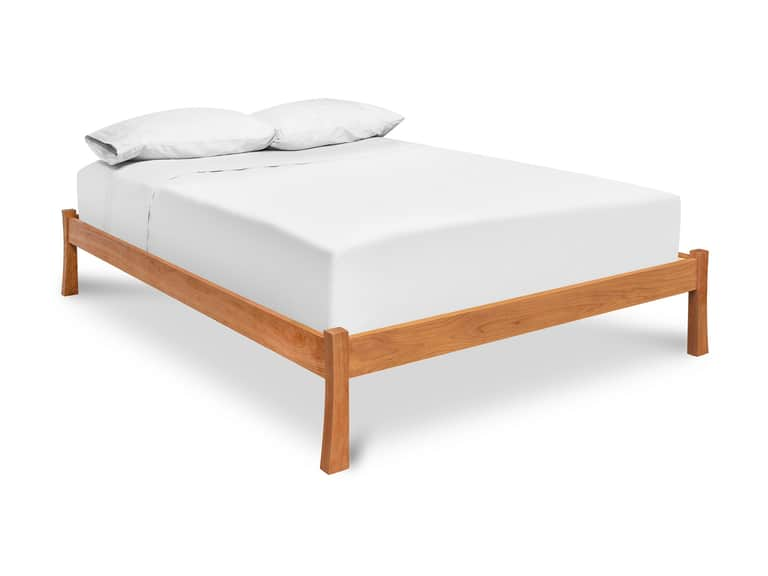
A pillow does not work in isolation. Mattress firmness, cushioning, and the way the surface responds beneath the shoulder all influence the space between the head and the bed. If you have recently changed mattresses, a familiar pillow may suddenly feel too high or too low. Reassess the complete sleep setup rather than assuming the pillow itself has changed.
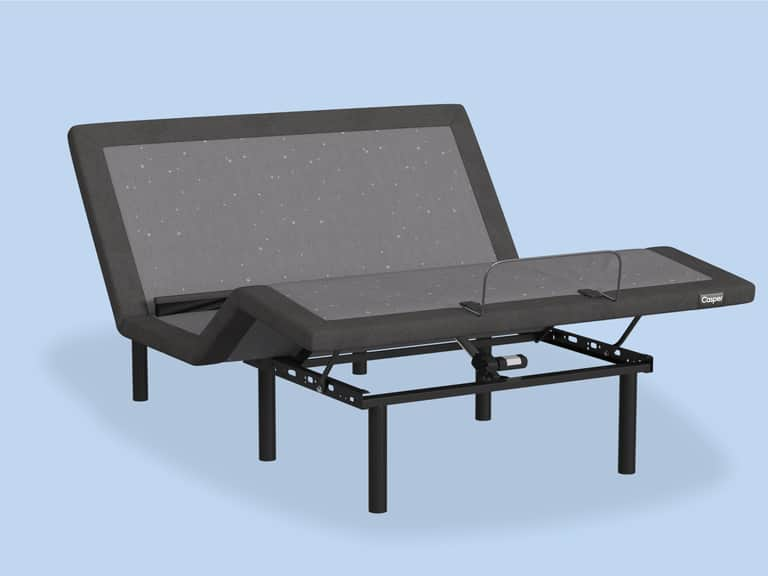
On an adjustable bed, changes in the angle of the head or upper body can alter how you experience your pillow. A pillow that feels comfortable while the bed is flat may feel different when the head section is raised. If you regularly use an elevated position, test your pillow there too. Make small adjustments to the loft and bed angle separately so you can tell which change affects comfort.
Keep the bedding arrangement simple during a fitting. Several stacked pillows may create an unstable slope or make it hard to identify which layer is providing support. If you prefer extra cushioning for reading or relaxing, distinguish that arrangement from the pillow setup you use when settling into sleep.
Common pillow-loft mistakes to avoid
- Choosing by appearance alone. A tall, cloudlike pillow may look inviting but compress substantially under your head. Test its settled height and feel.
- Assuming side sleepers always need the loftiest option. Shoulder width, mattress softness, and how deeply the shoulder sinks all affect the gap a pillow needs to fill.
- Confusing softness with support. A pillow can feel plush while offering little resistance, or feel supportive without being firm. Consider both qualities.
- Making too many changes at once. Altering the pillow, mattress topper, and bed angle on the same night makes it difficult to know what helped.
- Expecting a pillow to resolve every source of discomfort. Sleep posture is one part of a broader picture. Persistent symptoms deserve appropriate professional attention.
- Ignoring care and durability. Fill that clumps, loses resilience, or cannot be maintained in the way you need may become less comfortable over time.
A concise pillow-loft checklist
Before choosing a pillow, consider the following questions. They bring the decision back to the things that matter most: fit, feel, and everyday practicality.
- What position do I usually sleep in, and do I change positions often?
- How wide are my shoulders in relation to my head and neck?
- Does my mattress let my shoulder sink noticeably?
- Does the pillow retain a comfortable height once compressed?
- Would adjustable fill make it easier to fine-tune the loft?
- Do I prefer a responsive, buoyant feel or a softer, more moldable one?
- Can I follow the care instructions and keep the pillow protected?
Frequently asked questions
What is the best pillow loft for neck alignment?
There is no single best height for everyone. Side sleepers often need enough loft to fill the space between the head and mattress, while back sleepers commonly prefer a lower profile. Stomach sleepers may find a low, soft pillow more comfortable. Shoulder width, mattress response, body proportions, and personal preference all affect the fit.
How can I tell if my pillow is too high?
If your head feels pushed upward or forward, or you consistently feel more comfortable after removing some fill, the pillow may be too high for your preferred position. These are only practical clues, not a medical assessment. Try a gradual change and note how the pillow feels over several nights.
Is latex a good pillow material?
Latex offers a resilient, responsive feel that some people prefer because it holds its shape rather than feeling deeply compressed. Comfort is personal, and latex pillows vary in construction and feel. Check the product’s materials, adjustment method, care instructions, and any relevant allergy information before choosing.
Should I change my pillow if I change sleep positions?
Not necessarily. Many people move during the night, and an adjustable pillow can make it easier to find a compromise between positions. Consider the posture in which you spend most of the night, then test the pillow in any other position you commonly use.
Let comfort, not a number, be the measure
Pillow loft is best understood as a relationship: your head, neck, shoulders, mattress, and sleep position working together. A label such as “high” or “medium” can narrow the search, but it cannot account for every body or bed. Pay attention to how a pillow compresses, whether it remains comfortable after you settle, and whether its shape suits the positions you actually sleep in.
For shoppers who want room to experiment, adjustable fill offers a thoughtful way to fine-tune that relationship. Whether you choose latex, down, or another material, a calm trial and small adjustments can make the process clearer. The right pillow is not necessarily the most elaborate one. It is the one that lets you rest without continually trying to make your neck comfortable.
This article provides general educational information and is not a substitute for individualized medical advice.